
Training Bones to Stay Strong
Strong bones don't just depend on calcium and vitamins, they respond to movement. Every time you walk, climb stairs, or lift weights, your bones experience tiny amounts of healthy stress. This triggers your body to rebuild them denser and stronger, a process known as bone remodelling. Without regular activity, bones lose density over time, increasing the risk of fractures, especially in the hips, wrists, and spine. The key is to move often, move safely, and move with purpose.
Bones are living tissues that adapt to the loads placed on them, a principle known as Wolff's Law. When you perform weight-bearing or resistance exercises, bone cells (osteoblasts) are stimulated to form new tissue, while muscles and joints grow stronger to support movement.
Builds stronger, denser bones through targeted stress
Reduces fall risk through better coordination
Enhances joint support and flexibility
Improves alignment and circulation for mobility
Different exercises provide varying levels of bone stimulation. The best routine combines low-, moderate-, and resistance-based movements suited to your age and bone health.
Gentle but effective for maintaining bone density, especially for beginners, older adults, or post-fracture recovery.

30 minutes daily improves hip and spine density

Improves balance, flexibility, and bone loading

Builds leg strength and hip bone density

Excellent for balance and gentle bone stress
These place more stress on bones, encouraging growth while maintaining safety.

Fun way to build bone density and coordination

Natural terrain provides varied bone stress

Builds lower body bone density safely

Targeted hip and leg bone strengthening
Stronger bone-building stimuli but not suitable for everyone.

High-impact stimulus for strong bones

Excellent for lower body bone density
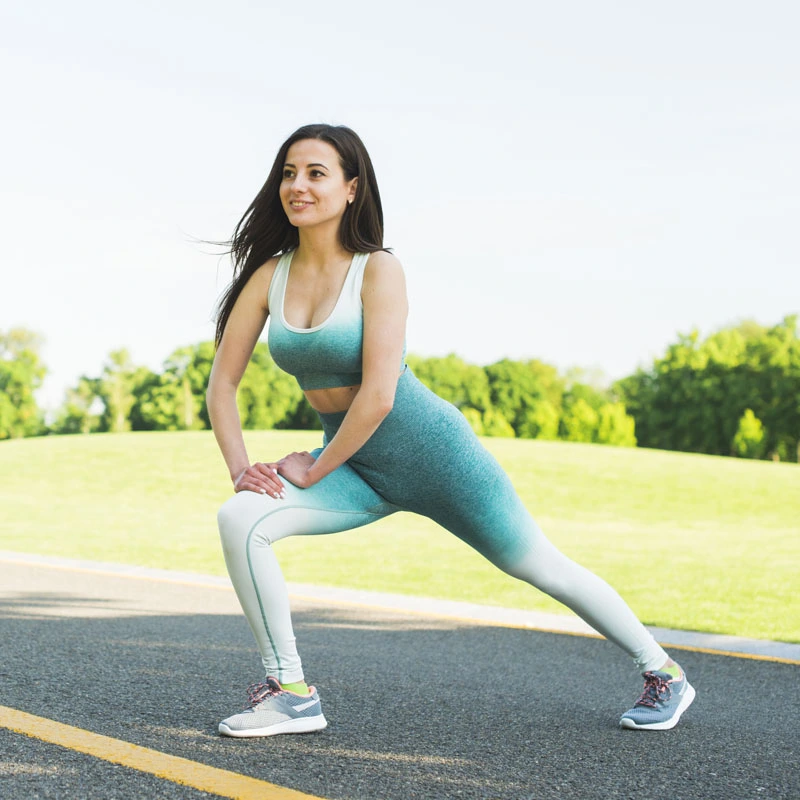
Full-body bone loading and cardiovascular benefits

Advanced jumping exercises for bone strength
Lifting or resisting weight strengthens both muscle and bone.
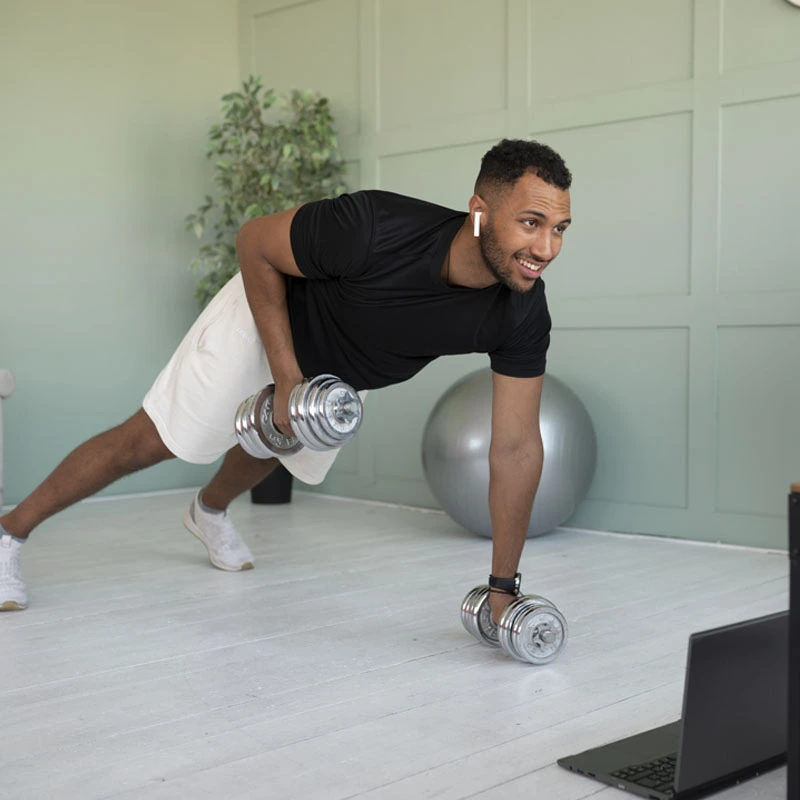
Targeted strength training for specific bones

Gentle resistance for bone and muscle strength

Squats, lunges, and push-ups for bone density

Supervised gym training for optimal results
Exercising safely is as important as exercising regularly.
Protect joints with proper preparation and recovery
Proper alignment during all movements
Build up slowly to prevent injury
Especially important with fragile bones
Supportive equipment for safety
Immediately cease exercise with sharp pain
Even during recovery from fractures, gentle, guided exercises prevent stiffness and support circulation. Under physiotherapy supervision, movement can begin as soon as immobilisation ends, helping restore function faster.
Physical activity not only rebuilds bones but also restores confidence, the key to returning to daily life stronger than before.
Learn About Rehabilitation Exercises
Resistance training: Squats, push-ups, dumbbell rows (30 mins)
Brisk walking or cycling (30-45 mins)
Yoga or Tai Chi (30 mins)
Resistance bands or body-weight exercises (30 mins)
Dancing or stair climbing (30-45 mins)
Gentle walking or stretching (20-30 mins)
Complete rest or light stretching
Walking is an excellent start and helps prevent bone loss, especially in older adults. However, pairing it with resistance exercises offers greater benefits for density and balance.
Low-impact strength training, yoga, and brisk walking help counter natural bone density decline. Consistency matters more than intensity.
Yes. Both improve posture, balance, and flexibility, reducing falls. Some poses (like the tree pose or warrior) also add gentle bone-loading stress.
That depends on the fracture type and healing progress. Usually, rehabilitation begins gradually after immobilisation ends, guided by a physiotherapist.
Avoid high-impact or twisting movements (like jumping or bending forward) that may stress the spine or hips. Choose low-impact, controlled motions instead.
Choose exercises appropriate for your fitness
Start with 20-30 minutes, 3-4 times weekly
Get guidance for your specific needs