
Understanding the Foundation of Healing
It can happen in a moment - a slip, a sudden twist, or a hard fall. A fracture is a partial or complete break in a bone, caused when the bone cannot withstand a sudden force or repetitive stress. Most fractures heal with the right care, but recognising the signs and causes early can prevent complications and long-term discomfort. Whether it's a sports injury, a road accident, or weak bones due to nutritional gaps or hormonal changes, understanding the basics helps you manage pain and recovery more confidently.
People often wonder if a fracture and a break are different. In reality, they mean the same thing. When a bone cracks or snaps due to an injury, it's medically called a fracture, but many refer to it as a "broken bone." Your doctor might describe the specific type—for instance, a simple, stress, or compound fracture - but both "fracture" and "break" describe the same injury.
Both result from strong impacts - falls, accidents, or sports injuries - but differ in severity. A bone bruise happens when the bone sustains impact strong enough to cause internal bleeding within the bone tissue without breaking it. A fracture occurs when that force exceeds the bone's strength, leading to a crack or break. Bone bruises may heal in weeks, while fractures often take longer and need immobilisation or surgical alignment. If pain near a bone persists after trauma, get it checked - even minor injuries deserve attention.
A fracture affects bones; a sprain affects ligaments, which connect bones around a joint. You can't "sprain" a bone, but you can injure both at once - for example, twisting your ankle might cause both a fracture and a ligament sprain. Understanding this difference ensures correct diagnosis and recovery - since sprains often heal with rest, while fractures need medical stabilisation and guided healing.

Learn about different fracture patterns from simple cracks to complex breaks that determine treatment approach.
Learn more
Identify early warning signs of fractures to ensure timely medical attention and proper healing.
Learn more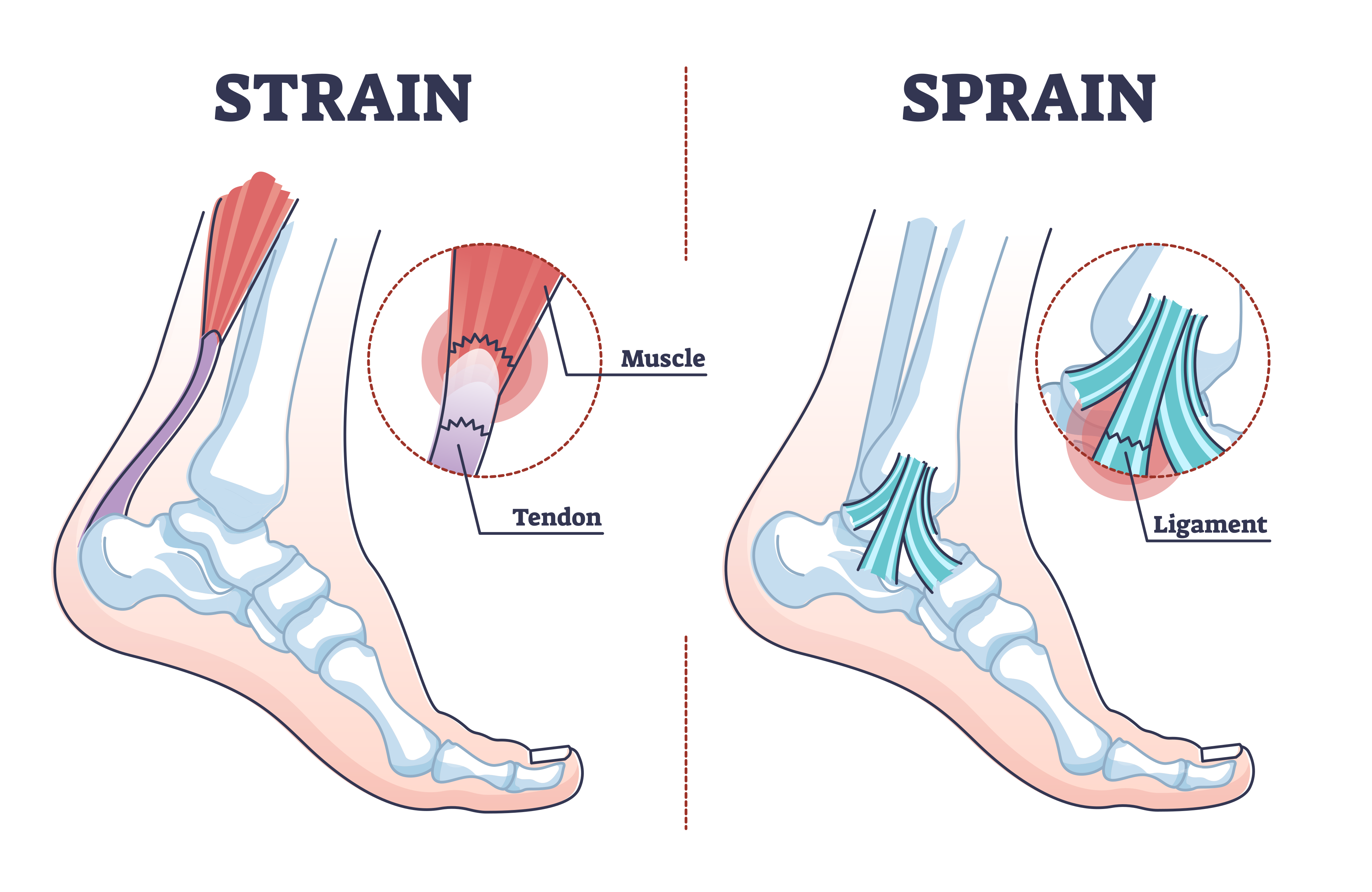
Discover factors that increase fracture risk and complications that can affect recovery.
Learn moreYes - "fracture" and "break" describe the same condition.
Some minor fractures can heal naturally with rest, but always get a doctor's advice to prevent deformity.
Calcium, vitamin D, and protein-rich foods - milk, ragi, sesame, eggs, and leafy greens, support recovery.
Learn more about diet for bone healthMost heal within 6–8 weeks, depending on bone type, age, and health.
Weak bones, skipped rehab, or untreated deficiencies can lead to re-fractures.