
When Healing Takes a Detour
Even when treatment begins on time, fractures can sometimes take longer to heal or heal in unexpected ways. While most bones recover naturally with proper care, some experience delayed healing or post-injury complications that require closer medical attention. Knowing what can go wrong — and how to catch it early — makes a big difference in recovery outcomes. To understand how complications develop, it helps to know the different types of fractures and the available treatment options that guide proper recovery.
Bones need oxygen and nutrients to repair; lack of circulation delays healing.
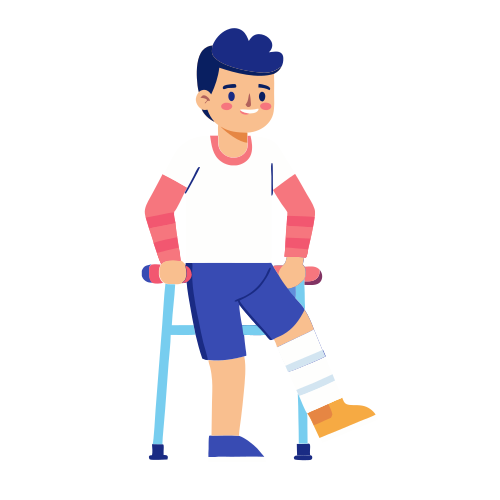
Moving a bone too early or using an ill-fitted cast can disrupt bone alignment.

Open fractures, if not cleaned properly, allow bacteria to enter the wound.
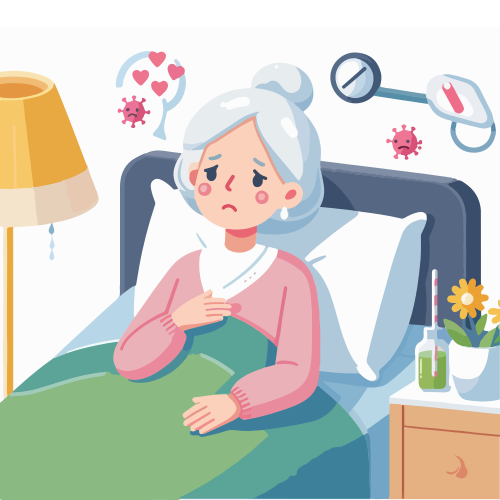
Diabetes, osteoporosis, or poor immune health reduce bone regeneration.

Poor nutrition or deficiencies in key nutrients can impair bone regeneration.
Healing takes longer than usual - often beyond eight to twelve weeks. It may result from poor blood flow, infection, or lack of stability at the fracture site. Treatment includes both surgical as well as nonsurgical. Non-surgical methods include physical therapy, modifications in activities and medications, while few of the surgical treatments include internal fixation (screws, plates) and bone grafting to stimulate healing.
Sometimes the bone ends fail to join even after months. Persistent movement, infection, or poor blood flow may be the cause. Doctors may recommend bone grafts, fixation surgery, or targeted physical therapy to stimulate healing.
This occurs when a bone heals in the wrong position, leading to deformity or limited movement. It can result from misalignment during recovery or premature activity before full healing. Corrective surgery or physiotherapy may be required to restore function.
Most common in open or compound fractures, infection can delay or even stop bone healing. Symptoms include fever, redness, pus, or foul smell from the wound. Early antibiotic treatment and wound care are critical to prevent complications.
Sometimes a fracture disrupts blood supply to part of the bone — especially in areas like the hip or wrist — leading to bone tissue death. Pain that worsens after early recovery signals this condition and needs immediate attention.
Sharp bone edges or surgical tools can injure nearby nerves or blood vessels. This causes numbness, tingling, or loss of sensation near the injury site. Prompt diagnosis prevents long-term damage.
A rare but serious condition where swelling within muscles cuts off blood flow. It causes severe, persistent pain, tightness, and sometimes a pale or cold limb. It's a surgical emergency and needs urgent medical help.
Long periods in a cast can cause nearby muscles to weaken and joints to stiffen. Early, guided physiotherapy helps restore strength and movement safely.
Watch for these red flags during recovery:
If you notice any of these symptoms, consult your doctor immediately.
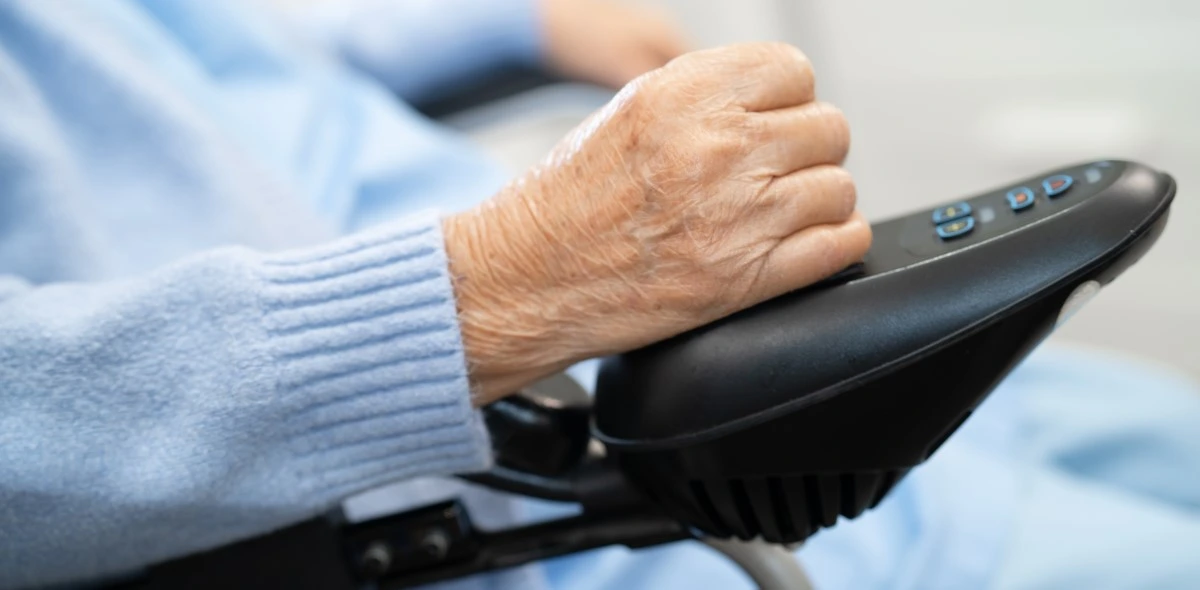
| Complication | What It Means | When to Seek Help |
|---|---|---|
| Delayed Union | Healing slower than normal | Pain or swelling beyond 8–12 weeks |
| Non-Union | Bone fails to join completely | Persistent movement at fracture site |
| Malunion | Bone heals out of alignment | Visible deformity, reduced movement |
| Infection | Germs enter wound or bone | Fever, redness, pus, foul smell |
| Avascular Necrosis | Blood supply loss causes bone death | Persistent joint pain, stiffness, or limited mobility |
Poor blood supply, infection, or early movement at the fracture site are the most common reasons.
Persistent pain, swelling, or deformity weeks after treatment suggest delayed or failed healing.
Yes. Untreated infection can weaken bone tissue and delay union.
It may lead to deformity or limited mobility; surgical correction is often needed.
Follow medical advice closely, maintain good hygiene, eat calcium- and protein-rich foods, include supplements that will quicken healing and avoid smoking or alcohol during recovery.