
Protecting Your Bones Naturally
Menopause is a natural transition, but it brings significant changes to a woman's body — especially to her bones. Falling oestrogen levels can accelerate bone loss, increasing the risk of osteopenia and osteoporosis. In the first five to seven years after menopause, women may lose up to 20% of their bone mass, making prevention essential. The good news: small, sustainable changes in nutrition, activity, and self-care can help preserve bone strength and balance during and after menopause.
Oestrogen plays a key role in maintaining bone density by regulating bone turnover. When hormone levels decline, bone breakdown (resorption) starts outpacing bone formation. This imbalance leads to thinning bones that fracture more easily, especially in the hip, spine, and wrist.
Women may face an added challenge - early menopause, lower calcium intake, and limited sunlight exposure. Together, these increase the need for early bone density monitoring.
Learn More About Fracture Diagnosis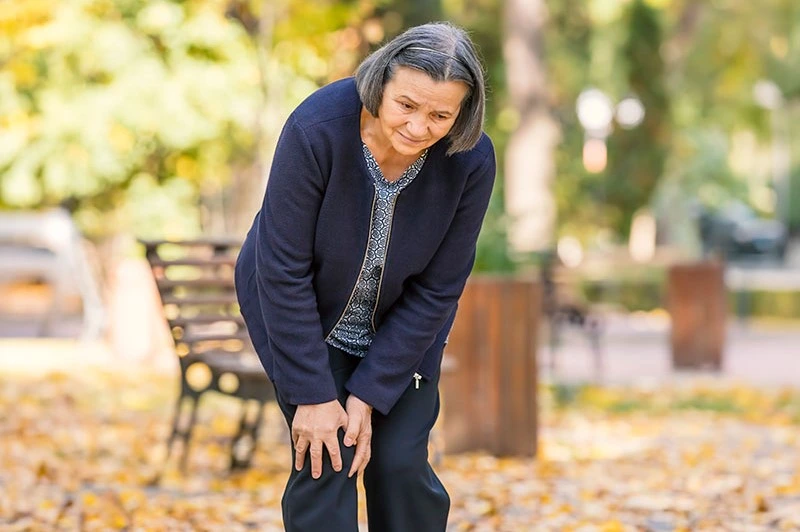
A balanced, nutrient-rich diet remains the strongest foundation for bone protection.
Vital for bone structure. Include milk, ragi, curd, sesame, and leafy greens.
Improves calcium absorption. Get 15–20 minutes of sunlight several times a week, and include eggs, mushrooms, and fortified foods.
Builds and repairs tissues that support bones. Eat dals, soy, paneer, and nuts.
Support bone mineralisation. Found in whole grains, spinach, and green vegetables.
Natural plant compounds that mildly mimic oestrogen, helping offset hormonal decline. Found in soybeans, flaxseeds, and chickpeas.
A balanced, nutrient-rich diet remains the strongest foundation for bone protection. Consistent intake of calcium, vitamin D, and protein supports hormonal balance and bone renewal.
Learn More About Healthy Lifestyle and DietExercise is one of the most effective non-medical ways to maintain bone density. Weight-bearing and resistance exercises stimulate bone formation, improve balance, and prevent falls.
Brisk walking, dancing, stair climbing
Light weights, resistance bands, and yoga
Tai Chi, core-strengthening movements
Important: Consult your physician before starting any exercise program.
Regular movement strengthens bones naturally. Gentle yoga, stair climbing, walking, or light resistance training enhance bone density and stability.
Explore Weight-Bearing ExercisesHormonal shifts can affect mood and sleep, and chronic stress raises cortisol — a hormone that can weaken bones over time. To protect bone health:
Practise mindfulness or meditation for 10 minutes daily
Maintain 7–8 hours of restorative sleep each night
Include magnesium-rich foods like seeds and greens for natural relaxation

Certain habits can accelerate bone loss and interfere with hormonal balance:
Restricts blood flow to bones and disrupts oestrogen
Reduces calcium absorption and impairs vitamin D metabolism
Leads to nutrient deficiencies that weaken bones
Bone loss often begins much before the onset of menopause. Women who experience early menopause (before 45 years) or have a family history of fractures should begin bone density testing priorly.
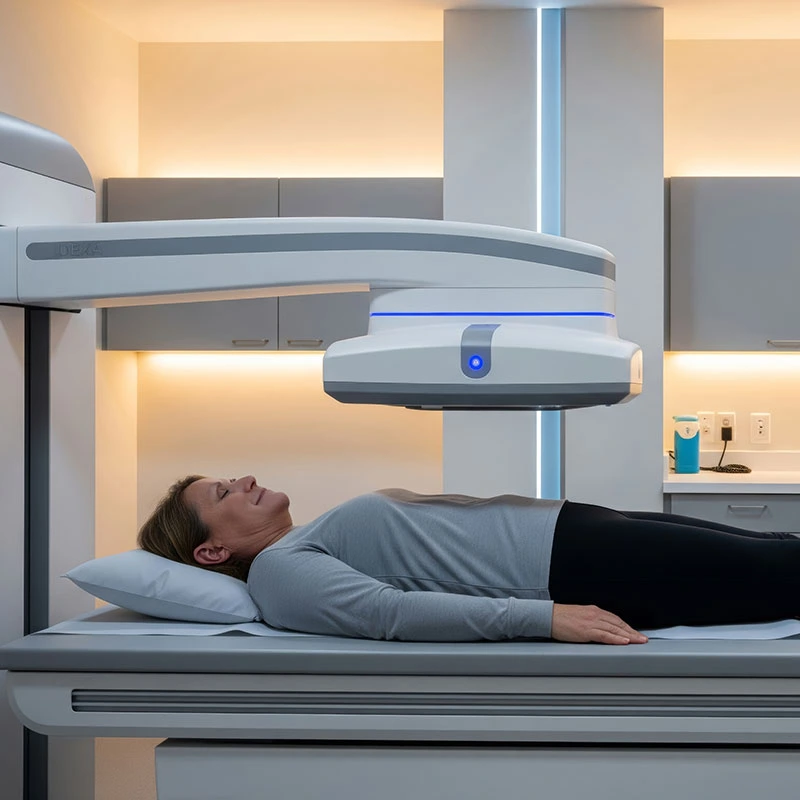
Initial DEXA scan around menopause helps establish a baseline
Repeat every 2–3 years, or sooner if risk factors exist
Understanding your results allows early lifestyle adjustments and, if needed, medical intervention
| Myth | Fact |
|---|---|
| "Bone loss happens only after 60." | Most bone loss begins within 5 years after menopause. Early prevention matters. |
| "Calcium supplements are enough to prevent fractures." | Supplements help only when combined with exercise, sunlight, and balanced nutrition. |
| "Once bones are weak, nothing can be done." | Bone strength can be improved at any age with proper care and medical guidance. |
| "Menopause affects only hormones, not bones." | Oestrogen decline directly speeds up bone breakdown and affects bone density. |
Oestrogen levels drop sharply during menopause, leading to faster bone breakdown. Without oestrogen's protective effect, bones lose density and become more fragile.
Yes. Regular exercise, calcium- and protein-rich foods, and adequate sunlight can slow or even reverse early bone loss.
Not always. Supplements should be taken only if dietary intake or sunlight exposure is insufficient, as advised by your doctor.
Ideally, around the onset of menopause or earlier if you have risk factors such as early menopause, family history, or thyroid disorders.
Yes. Chronic stress raises cortisol levels, which interfere with bone-building activity. Good sleep and relaxation help balance these effects.
Taking proactive steps during menopause can significantly impact your long-term bone health and quality of life. Begin with these essential actions:
Focus on calcium, vitamin D, and protein-rich foods
Incorporate weight-bearing and resistance exercises
Schedule your baseline bone density scan
Prioritize sleep and relaxation techniques