
How to Recognise a Broken Bone
A fall, twist, or sudden blow can leave you sore and unsure - is it just a sprain, or something more serious? Fractures can sometimes look like simple bruises or muscle strains, delaying proper treatment. Understanding the early signs of a bone fracture helps you act quickly and recover better. Fractures vary widely in appearance and pain level. Some are immediately obvious; others begin as mild aches that worsen over days. Doctors classify fractures by their pattern, cause, and location — each showing a slightly different symptom picture.
Learn more on Types of Fractures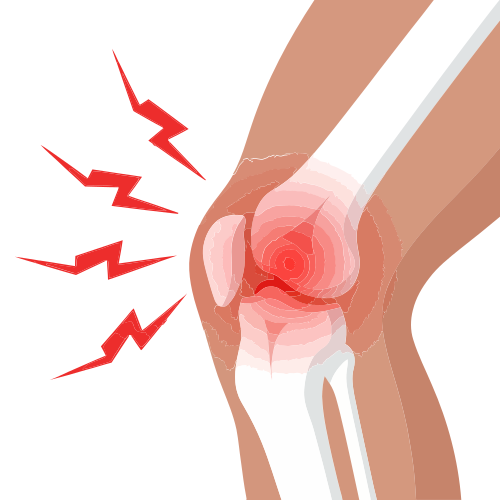
Sharp, intense pain that increases with movement or touch is the most consistent symptom. Even minor fractures can cause deep, localised discomfort.
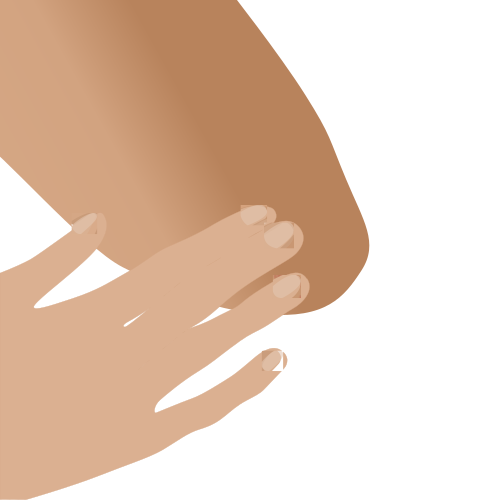
Within minutes or hours, the injured area swells and may change colour due to internal bleeding.

Movement becomes painful or impossible. In leg or foot fractures, walking often worsens the pain.
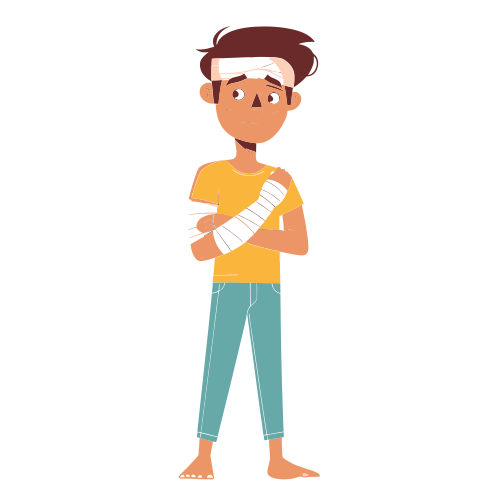
Visible distortion, unusual bends, or a limb that "looks out of place" indicate displaced bones.

Some people feel or hear a crack at the moment of injury — a classic fracture clue.
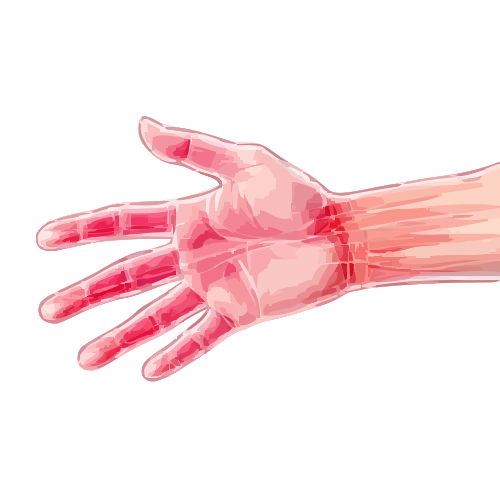
Suggests nerve compression or swelling near the fracture site; requires prompt attention.
Cause dull pain that builds gradually with activity and subsides with rest — often mistaken for muscle strain.
Cause pain, swelling, and bruising but no open wound. Movement or pressure triggers sharp pain.
The bone pierces through the skin, accompanied by bleeding and visible deformity — a medical emergency.
Severe pain, visible misalignment, and inability to move the affected area. Swelling develops rapidly.

| Feature | Fracture (Bone Break) | Sprain (Ligament Injury) | Dislocation (Joint Out of Place) |
|---|---|---|---|
| Pain & Tenderness | Sharp, constant | Aching or throbbing | Intense and immediate |
| Movement | Often impossible | Limited but possible | Locked or restricted |
| Swelling & Bruising | Rapid and pronounced | Moderate | Localised to joint |
| Deformity | Common | Rare | Joint visibly displaced |
| Diagnosis | Confirmed by X-ray | Physical exam / MRI | X-ray or reduction procedure |
Seek immediate medical help if you notice any of the following:
Prompt treatment reduces the risk of infection, nerve damage, or long-term stiffness.
Even if pain feels tolerable, any persistent discomfort after a fall or accident deserves evaluation. X-rays and scans are the only reliable ways to confirm a fracture. Early diagnosis prevents complications such as malunion (healing in the wrong position) or chronic weakness.
Read how doctors confirm fracturesYes, in some minor or hairline fractures, people may still walk — but doing so can worsen the break. Always seek a medical check-up.
Most do, but stress fractures or small cracks might only cause mild tenderness or aching at first.
Sprains affect soft tissue, while fractures affect bone. Persistent pain, deformity, or inability to move indicates a fracture.
Yes. It may signal nerve compression or disrupted blood flow — both need urgent medical review.
Not always. Some hairline or non-displaced fractures heal with braces or rest under a doctor's supervision.