
Everyday Choices That Strengthen Bones
What you eat and how you live directly shape the strength of your bones. Nutrition, physical activity, and lifestyle habits play a far greater role in fracture prevention than most people realise. Even before any injury occurs, your body constantly renews bone tissue — and this ongoing process depends on key nutrients, hormonal balance, and daily routine. Inadequate nutrition, lack of sunlight, smoking, or excess alcohol can weaken this natural cycle, leading to brittle bones and a higher risk of fractures over time. The good news: simple, consistent changes in diet and lifestyle can rebuild bone strength and help maintain mobility for life.
Healthy bones need more than calcium. They rely on a team of vitamins and minerals that work together to build structure, store minerals, and repair micro-damage that occurs every day.
| Nutrient | Role in Bone Health | Sources (Indian Diet) |
|---|---|---|
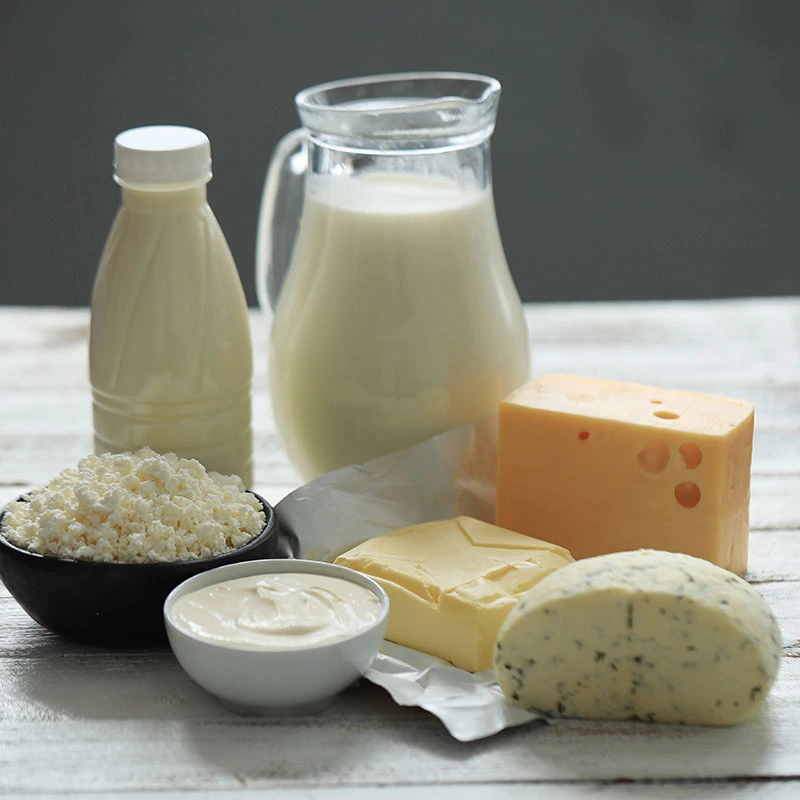
| Calcium | Builds and maintains bone structure | Milk, curd, paneer, ragi (finger millet), sesame (til), leafy greens |
| Vitamin D | Improves calcium absorption and bone metabolism | Sunlight (15–20 min, 3–4×/week), eggs, fortified milk, mushrooms, fish |
| Protein | Provides amino acids for bone matrix and muscle support | Lentils, dals, eggs, paneer, lean meat, soy products |
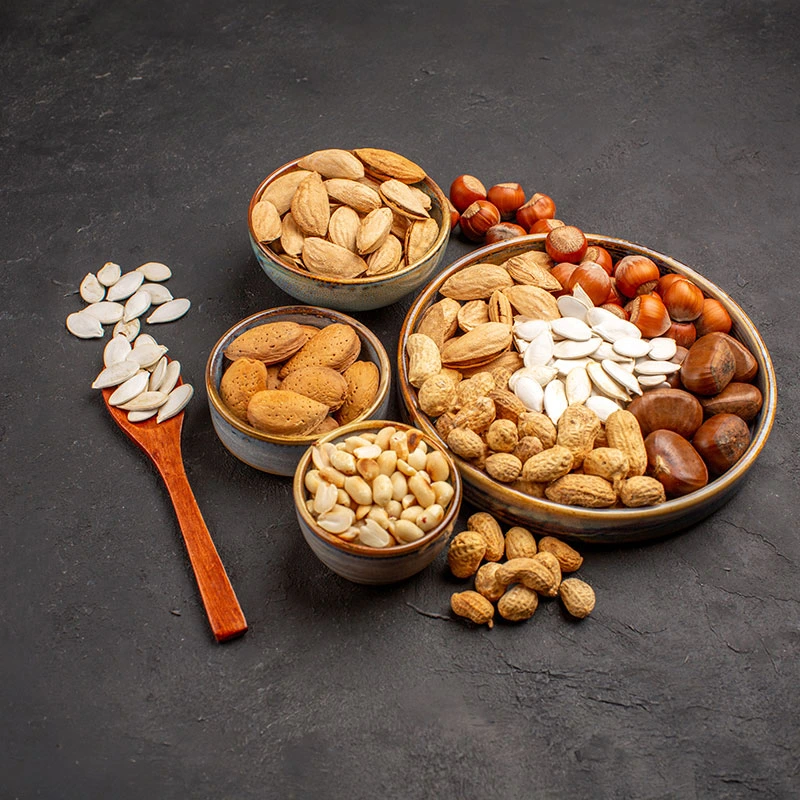
| Magnesium | Supports bone mineralisation | Nuts, seeds, whole grains, spinach |
| Vitamin K | Activates bone-building proteins | Green leafy vegetables, broccoli, fermented foods |
| Zinc | Helps form bone tissue and collagen | Chickpeas, pumpkin seeds, cashews |
| Phosphorus | Works with calcium for mineral density | Milk, whole grains, nuts, fish |
A balanced diet ensures that these nutrients act synergistically — calcium deposits, vitamin D aids absorption, and protein strengthens the surrounding muscle.
Beyond what's on your plate, your everyday choices can either strengthen or stress your bones.
Moderate sunlight is the most natural source of vitamin D.
Bone cells thrive in a well-hydrated environment.
Good posture reduces uneven stress on bones and joints. Take breaks from sitting every hour and include light movements like walking or yoga.
Over time, these small habits form the foundation for weight-bearing exercises that build stronger bones and better balance.
Bone tissue repairs itself during rest.
Two habits silently reduce bone quality: smoking and excess alcohol consumption.
Cigarette smoke contains chemicals that:
Alcohol affects how your body absorbs and uses calcium and vitamin D. It also weakens balance and reflexes, increasing the chance of falls.
Here's a simple Indian-style menu that provides calcium, protein, and vitamins for bone support. (Adjust portions to your needs and dietary preferences.)


Yes. Bone density can improve at any stage with consistent nutrition, vitamin D, and exercise. Even in later years, strengthening muscles and improving balance reduces fracture risk.
No. Calcium is abundant in ragi, sesame, almonds, leafy greens, and fortified foods. Vegans can also rely on tofu and calcium-set soy products.
Excessive caffeine (over 3 cups/day) and cola drinks can cause calcium loss through urine. Moderation is key.
Yes — within months of quitting, bone-building cells become more active, and circulation to bone tissue improves, helping restore density gradually.
Small, consistent changes in your daily routine can make a significant difference in your bone health over time. Begin with one positive change and build from there.
Review your current eating habits
Incorporate daily physical activity
Schedule a bone density test